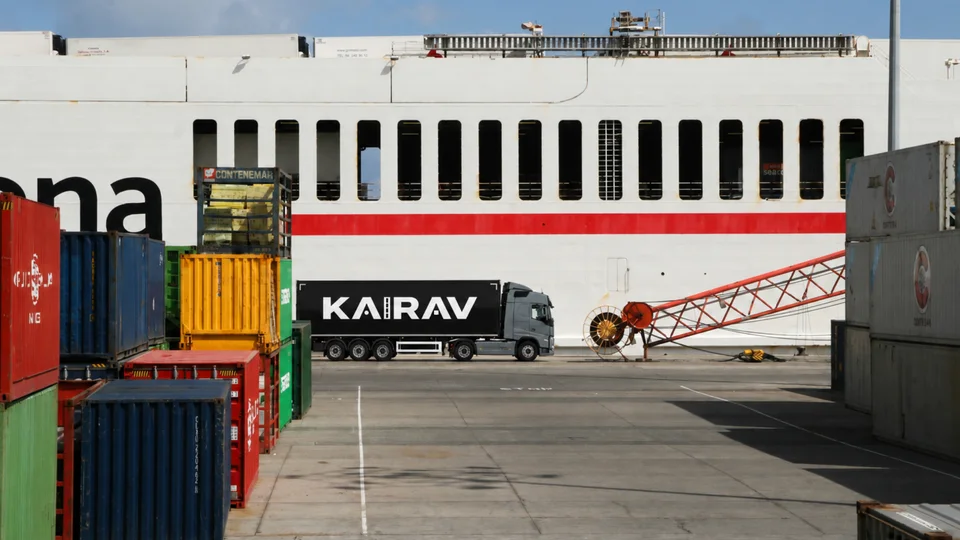
Route optimisation
How could a transport plan account for capacity, distance and delivery windows?
Careers
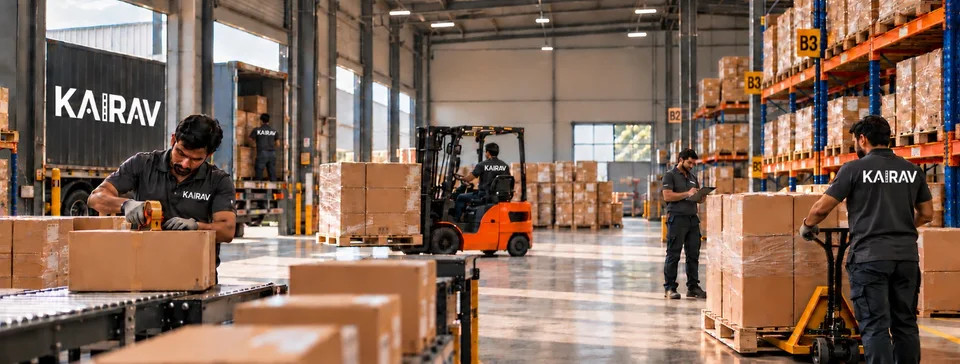
Mathematics, data and machine learning have practical questions to answer in logistics. We welcome student and early-career expressions of interest.
How could a transport plan account for capacity, distance and delivery windows?
How can patterns in demand help teams plan vehicle placement?
What can carefully prepared data reveal about delays, utilisation and handovers?
Student and internship enquiries are welcome. Programme availability and terms are confirmed individually.
Express your interestExplore a logistics problem
Choose a practice brief below or bring your own question. Use synthetic or public data and share a short approach; a completed project is not required to enquire.
Use one day of the synthetic data: a depot at (0, 0), one vehicle with 8 tonnes capacity and 8 deliveries. Choose a visiting order that balances distance, capacity and delivery windows. Start with a nearest-neighbour baseline and explain where it fails.
Share a route table, assumptions and a comparison with your baseline. A spreadsheet, notebook or diagram is welcome.
Use the supplied synthetic dispatch history to estimate the next week’s load. Compare a simple average with a weekday-based estimate; hold back the final week for validation.
Show forecast error, uncertainty and how your estimate would affect vehicle planning. Explain missing data and limitations.
Explore the difference between planned and actual handover times. Separate features known before dispatch from information only available after delivery.
Share a chart, a simple baseline and an explanation of leakage or bias. Describe what additional evidence you would need.
Tell us your area of study, preferred problem, availability and what you would like to learn. You can add an optional CV or project link. The team will discuss fit and any available opportunity; duration, location and compensation are agreed individually.
Logistics brings together coordination, records and technology. These are examples of work across the sector, not a list of current vacancies.
Organising vehicle movements, sharing dispatch information and keeping the next handover clear when plans change.
Working with delivery documents, billing details and records so that information can be checked and followed up.
Supporting the tools and information teams use to plan movements, record updates and understand day-to-day activity.
Enquiries · Drivers and operations
Enquiries · Drivers and operations
Enquiries · Drivers and operations
Enquiries · Operations
Enquiries · Operations
Enquiries · Operations
A freight movement brings together preparation, transport and a final handover. The exact steps depend on the goods, route and delivery requirements.

Confirm what is moving, where it needs to go and any handling or timing requirements that shape the plan.
Transport connects the dispatch point with the destination, while route conditions and agreed instructions guide the movement.
Goods and relevant records are handed over to the receiving team. Any differences can be noted for follow-up.
Logistics connects people who see different parts of the same journey. Bring curiosity about the work beyond your own desk, shift or route.
Understand how a planning decision affects the driver, the receiving team and the customer. Ask questions about the next step as well as your own.
The person closest to a problem often sees it first. Describe what is happening, explain its impact and bring a practical suggestion.
Freight work can be demanding during peak periods. Ask about shift patterns, the responsibilities of the role and the support available before joining.