
Safer, clearer handovers
Priority: practical loading instructions, clear receiving contacts and a way for drivers to flag unsafe conditions before proceeding.
How a person is spoken to, and when they are paid, matters. These are the commitments that guide how we treat the people behind the wheel.
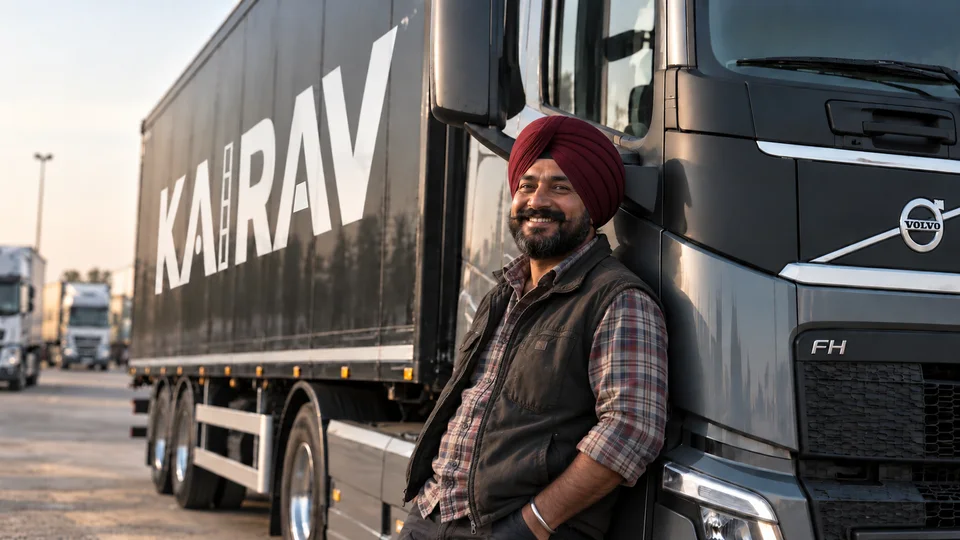
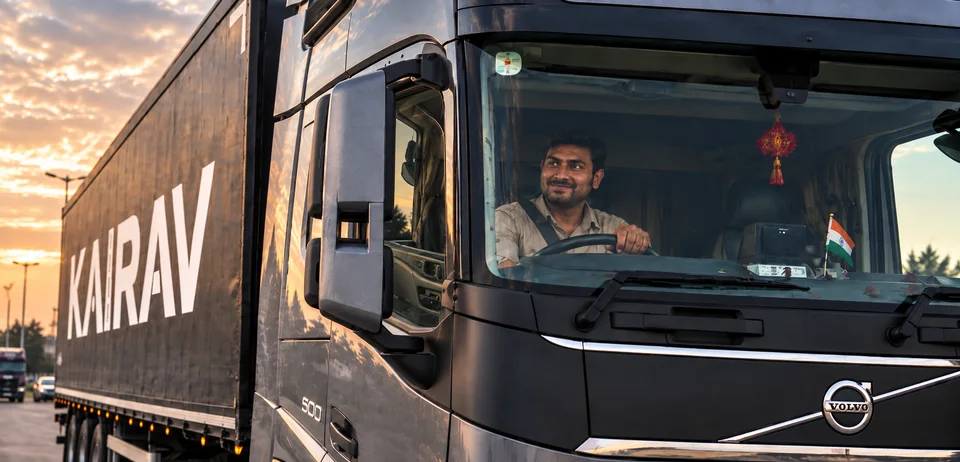
At Kairav, a driver is addressed by his name?on the phone, at the gate, in the despatch group and in front of the customer. Respect starts with the way we speak to each other.
Our commitment: an allowance released three times a day, every day a driver is on the road. No driver should be funding the company?s journey and waiting to be reimbursed for it.
Priority: extend the same addressing, payment and support practice to drivers on contracted vehicles running our lanes. A vehicle we did not buy still carries our customer?s freight.

Our planning priority is a schedule that does not depend on making up time on the road. These are priorities for how we develop and review driving practices.
Priority: build transit times around applicable driving-hour limits and real rest, including weighbridge queues and waits at the gate. Leave room for the delays a journey can bring.
Priority: check fitness, permit, insurance, tyres and lights before despatch. Include service requirements in vehicle placement decisions.
Priority: record near misses as carefully as incidents and review them with the drivers who report them. Encourage early reporting so that the information can help prevent the next incident.
Every journey has a name.
Behind the wheel is a person. Along the road is a community. The way we move should reflect that.